+44 7825394320
Designing for the Mind
Explore our evidence-based projects where neuroscience and design converge to create spaces that heal, support, and inspire.

Bridging Academic Rigour with Real-World Practice
"The Neuro-Environment stands at the intersection of scientific inquiry and tangible design. Our work is not only about creating beautiful and supportive spaces; it forms the core of our founder's PhD research in Neuro-environments.
This unique approach ensures that every project is underpinned by the highest level of academic rigor. We don't just follow best practices—we aim to create them, contributing validated, publishable findings to the field and ensuring our partners benefit from the most current, evidence-based insights available."
Current PhD Case Studies: A Look Inside Our Process
"The following projects are not just client work; they are active, formal case studies forming the practical component of our PhD. Each one is a living laboratory, designed to test hypotheses and generate data on how specific environmental factors impact human well-being."
Case Study Card 1: The Ahmadiyya Mosque Garden
Status Badge: NEURO-THEOLOGICAL STUDY
Project Title: A Neuro-Theological Transformation: The Ahmadiyya Mosque Garden
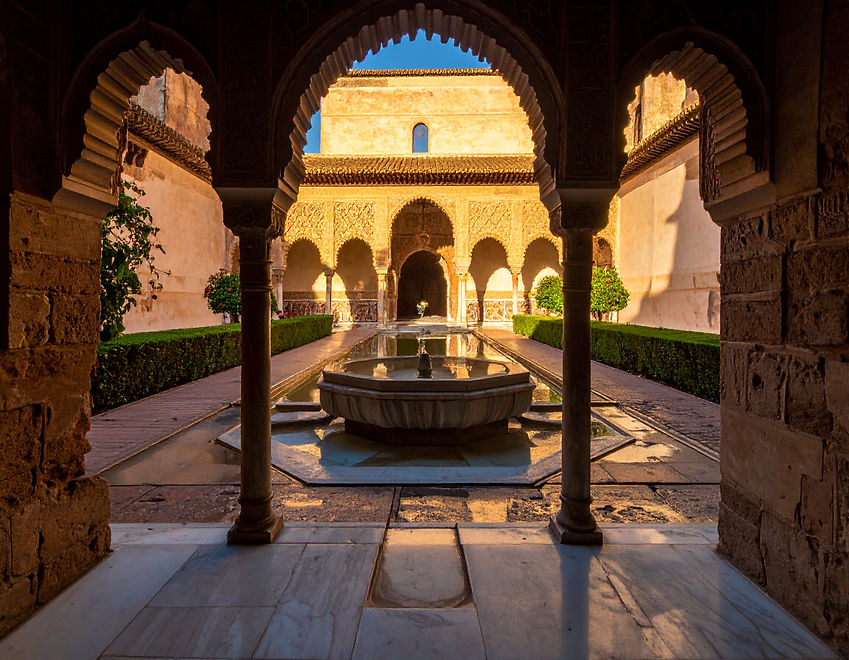
Case Study 1: The Ahmadiyya Mosque Garden -Live Research: Translating Theology into Neuro-Architecture


"This PhD case study pioneers a new typology of sacred space by systematically integrating the ancient, symbolic wisdom of Islamic garden design with modern, evidence-based neuroscience. The project transforms a generic mosque garden into a 'neuro-restorative' and spiritually significant environment. By translating core theological principles—like Tawhid (Unity) and Salaam (Peace)—into neuro-design applications like biophilia and sensory modulation, the garden is designed to be a living expression of the Ahmadiyya motto 'Love for All, Hatred for None,' creating a measurable sanctuary of peace."
The image above represents our core methodology: a seamless fusion of ancient spiritual wisdom and modern, evidence-based neuroscience to create a true sanctuary for the mind and soul
Case Study Card 2: Global Garden Game Over (UPDATED)
Status Badge: APPLIED RESEARCH / COMMUNITY RESILIENCE
Project Title: From Chelsea to Community: The 'Global Garden Game Over'
-
The Research Question: How can evidence-based green spaces be applied to foster community resilience and address social well-being in areas of deprivation?
-
Our Process in Action: In partnership with Ashden Climate Change Charity, this project applies neuro-environmental principles to a real-world challenge. of social well-being. It involves the relocation and transformation of a conceptual Chelsea Flower Show garden about climate change into a permanent, restorative public space in East Marsh, Grimsby—an area of social deprivation. This study serves as a critical test of 'biophilic placemaking,' aiming to demonstrate how evidence-based green spaces can foster community resilience, reduce stress, and become therapeutic assets that address both environmental and social well-being."

A Rigorous, Collaborative Approach
-
"Our founder's PhD candidacy provides the framework for our methodology. This commitment to academic excellence means that every project benefits from:
-
A Robust Research Framework: Applying strict scientific protocols to design and data collection.
-
Access to a Network of Experts: Collaborating with leading academics, researchers, and specialists from other universities to bring diverse expertise to each project.
Our partners are not just clients; they are collaborators in this exciting field of discovery."
-
A Goal of Publication: A commitment to sharing our findings in peer-reviewed journals, contributing to the wider scientific community and ensuring our work is transparent and validated.
-
Partner in Pioneering PhD Research?
"We are actively seeking our next formal case studies. This is a unique opportunity to have a space transformed based on cutting-edge academic research, while also contributing to the development of a new and vital field.
We invite inquiries from individuals, corporations, and institutions who are not only seeking an exceptional environment but are also inspired by the prospect of participating in groundbreaking research."
Begin the Conversation
Please provide your project details in the message section below. As our case studies form part of a formal PhD, our selection process is based on a project's potential for both real-world impact and academic contribution. We review all inquiries with this in mind.
-
-
-